Two training formats dominate the menu at dog facilities, and owners often choose between them by schedule and price alone: bootcamp, where the dog stays at the facility and is trained daily by professionals, and group classes, where the owner attends weekly and does the training themselves under instruction. Both can produce an obedient dog. They produce different owners, and that difference decides which results are still there in six months.
Here is the honest comparison, including the part brochures leave out.
| Point | Bootcamp (board and train) | Group classes |
|---|---|---|
| Who learns fastest | The dog, through daily professional sessions | The owner, through weekly coached practice |
| Best for | A head start, a serious behavior problem, a schedule with no training time in it | Foundations, socialization, owners who want the skill themselves |
| The transfer question | Central: the dog must learn to do it for you, at home, afterward | Built in: you were the trainer all along |
| Socialization | High, living among dogs and staff | Structured weekly exposure in a class setting |
| Time demanded of owner | Low during the stay, high at handover and after | One class a week plus daily short practice |
| Typical failure mode | Owner skips the handover lessons and the dog's new habits fade | Owner skips practice between classes and progress crawls |
How bootcamp actually works when it works
In a bootcamp model, the dog lives at the facility for a set period and works with trainers daily: obedience cues, leash manners, impulse control, and behavior around other dogs and people, in an environment designed for exactly that. The advantages are repetition and expertise. A trainer gets more clean repetitions in a day than most owners manage in a week, and sequencing problems get professional judgment in real time. For dogs with a serious head start needed (the adolescent who has rehearsed bad habits for a year) or owners in a genuine time crunch, it is a rational tool.
But the dog is learning in a place, from specific people. The stay is only the first half of the product. The second half is the handover: sessions where the trainers teach you what was taught, how it was taught, and how to maintain it at home. This is why programs describe themselves as schooling for clients as much as for dogs: the facility can give your dog purpose and skills, and then it has to give you the manual. Choose a bootcamp by its handover process, not its stay length. A program vague about transfer is selling you the easy half.
How group classes work when they work
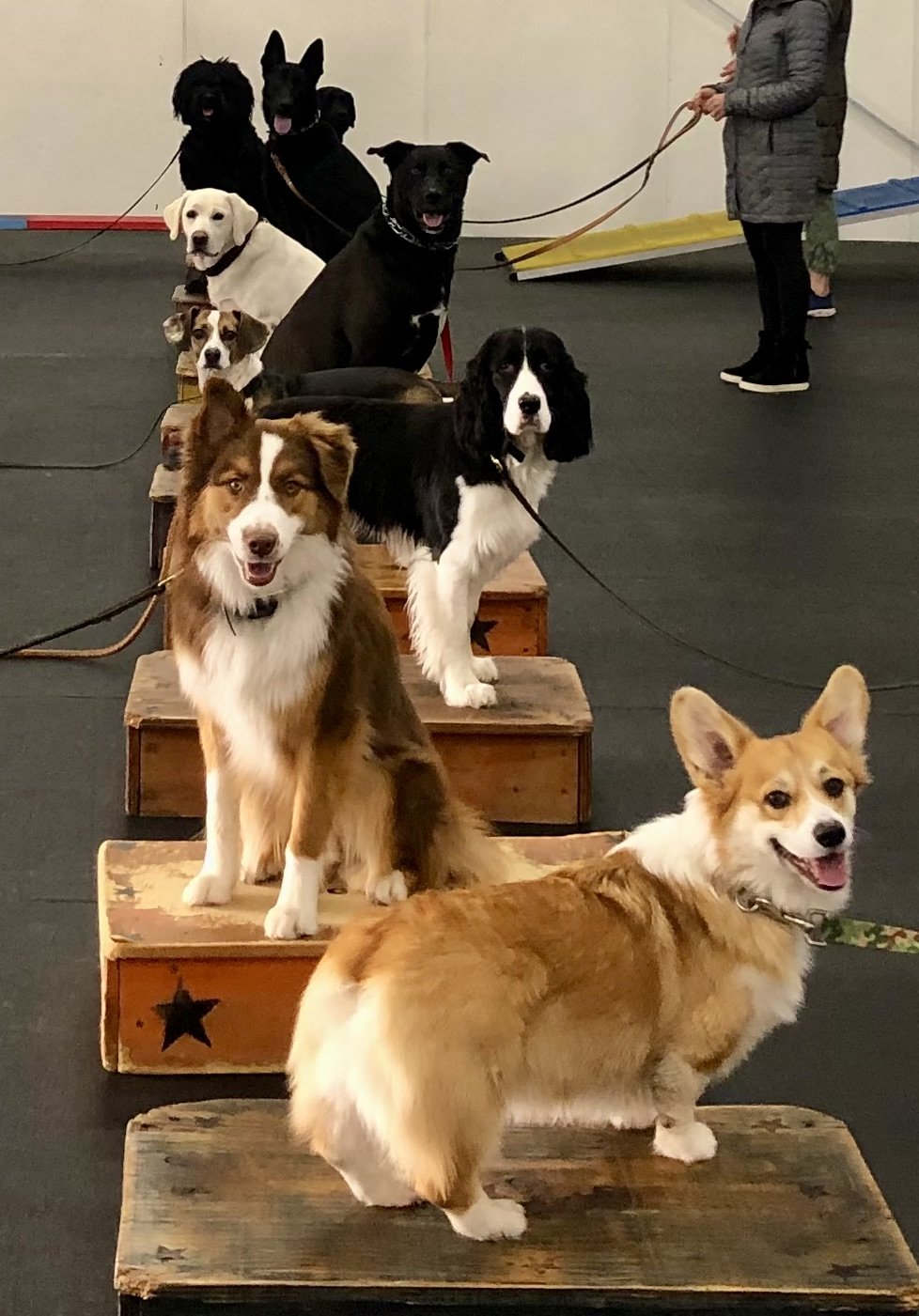
Group classes invert the labor: the trainer teaches, the owner trains, and the dog learns in the presence of the person and the distractions that define its real life. Progress per week is slower, and the side benefits are large. Owners learn to read their own dog, timing improves under coaching, and the dog practices the exact skill home life demands: listening to you while other dogs exist. Classes also socialize by design, week after week, which suits puppies and young dogs especially. The failure mode is symmetrical to bootcamp's: the class is one hour, the dog lives the other 167 with you, and owners who treat class as the training rather than the coaching get class-speed results.
Choosing for your actual dog and life
Ask three questions. How serious is the problem (manners to learn, or behavior to undo)? How much daily time will you honestly give training for the next two months? And who needs educating most, the dog or the household? A young, basically cheerful dog with a committed owner is a class dog. A strong adolescent with ingrained habits, or a household in a season with no spare hour a day, is a bootcamp candidate, with handover sessions treated as non-negotiable appointments. Many families do both in sequence: bootcamp for the foundation, classes for maintenance and the social habit. Facilities that offer both, and therapy and day programs besides, can sequence them sensibly instead of selling you one box.
The question to ask any program
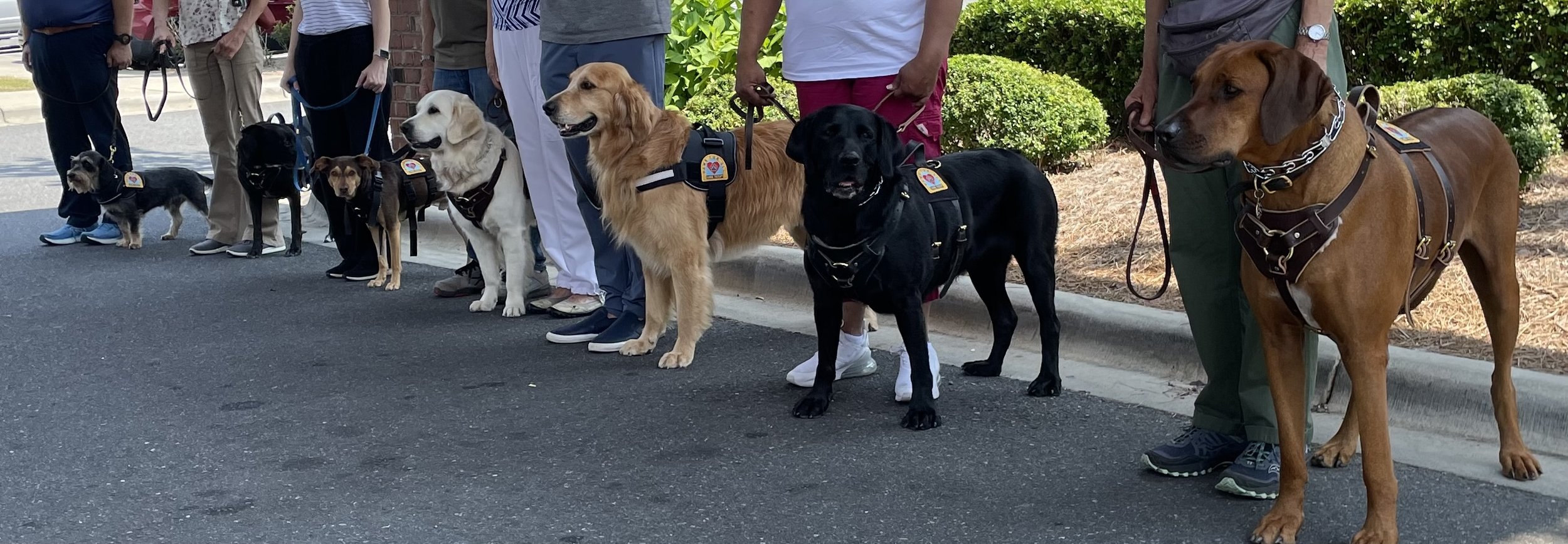
Whatever you choose, ask: what will my dog be able to do, for me, at home, at the end of this, and how do we get from your work to mine? A good program answers in specifics: cues, contexts, handover lessons, follow-up help. A program that only promises a transformed dog, with no account of the owner's half, is describing the first two weeks after pickup. You are buying the next ten years.
Common questions
Will bootcamp fix aggression or serious behavior problems?
It is the more common setting for serious work, because trainers control the environment. Get an evaluation and a plain assessment first; some problems need a veterinary behaviorist alongside training.
How long do bootcamp results last?
As long as the household maintains them. Dogs keep the habits their daily life rewards. The handover lessons exist to make your daily life one of those rewarding environments.
Can older dogs do group classes?
Yes. Adult and senior dogs learn well in classes, and many enjoy the routine. Choose a class level matched to your dog rather than its age.
← All guides from Star Dog← Back to Star Dog